-

English
-
Slovenian

English

Slovenian
Key Takeaways • The blog is a short bulleted summary highlighting that Chinese e-bikes in 2026 can meet Slovenian and wider EU standards, but buyers should check similar products, motor limits and speed caps for legal road use. • Mid-range Chinese brands (e.g., NIU, Yadea, Aima, Engwe-type brands) now compete closely with European models in […]
• The blog is a short bulleted summary highlighting that Chinese e-bikes in 2026 can meet Slovenian and wider EU standards, but buyers should check similar products, motor limits and speed caps for legal road use.
• Mid-range Chinese brands (e.g., NIU, Yadea, Aima, Engwe-type brands) now compete closely with European models in range (60–120 km), smart features (apps, GPS, anti-theft), and build quality while staying 25–40% cheaper.
• The total cost of ownership in Slovenia depends on customs, 22% VAT, spare-part availability in the EU, and service access in cities like Ljubljana, Maribor, and Koper.
• For commuting in Ljubljana and coastal regions, Chinese commuter/urban and folding e-bikes are usually “worth it,” while high-end eMTBs for the Julian Alps may still justify some premium European options.
• Slovenian B2B buyers (rental fleets, hotels, distributors) can benefit from importing Chinese e-bikes alongside other Chinese products, using similar logistics channels to those for construction materials.
E-bike adoption in Slovenia is accelerating rapidly. Rising fuel costs drive this green transition. Parking constraints trouble commuters in Ljubljana, Maribor, and Kranj. Meanwhile, municipal cycling infrastructure is expanding fast. These factors make electric bikes a very attractive alternative for daily transportation.
Chinese electric models now dominate online listings. This includes direct imports and EU-stocked brands. The trend also impacts neighboring markets like Italy, Austria, and Croatia. This rapid shift raises a practical question for international buyers. Do these budget models offer genuine value and reliability? Or are upfront savings offset by hidden safety risks?
The context for 2026 is clear. EU Green Deal objectives continue pushing low-emission mobility. Ljubljana maintains its strong commitment to sustainable commuting. Demand for last-mile delivery bikes also grows steadily.
The global e-bike market will reach 62.3 billion dollars by 2030. Government incentives currently boost adoption worldwide. Over 30 million e-bikes were sold in China recently. This massive volume highlights the true scale of this industry.
The Chinese e-bike market reached 106.8 billion CNY. It maintains a steady 3% compound annual growth rate. This consistent growth will project clearly through 2029.
This comprehensive guide compares Chinese versus European brands. It outlines legal and technical requirements in Slovenia. We provide concrete 2026-focused buying advice. This helps private riders and B2B buyers alike.
Our deep experience with Chinese supply chains informs this piece. We understand international standards and complex EU logistics. This background provides a practical import perspective.
Legality depends on EU-wide regulations and Slovenian traffic rules—not where the bicycle was manufactured. E-bike safety standards vary across regions, which complicates the purchasing process for international buyers who may not be aware of these differences. Here’s what matters:
• Motor rated maximum 250 W continuous power
• Pedal-assist only (no throttle-only operation above walking speed)
• Assistance cut-off at 25 km/h
• CE marking and EN15194 compliance labels required
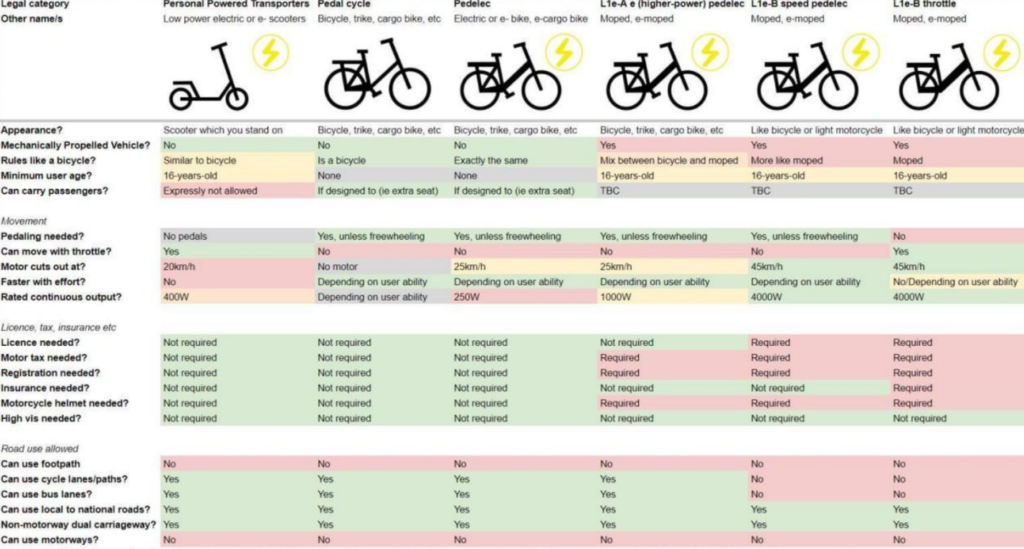
Anything faster or more powerful (e.g., 500–1000 W “S-pedelecs” up to 45 km/h) is treated as a moped in Slovenia, requiring registration, license plates, compulsory insurance, a helmet, and often different road access.
Before importing or riding on public roads, check product documentation and frame labels for EN15194 certification, CE mark, motor rating, and top assisted speed. Many reputable brands—including Yadea, Aima, NIU, Sunra, Luyuan, and Leebike—already produce EU-compliant versions for markets like Germany and the Netherlands. These are generally safe choices for Slovenian buyers.
Slovenian B2B buyers (rental agencies in Bled, Portorož hotels, and delivery services in Ljubljana) should request conformity certificates, test reports, and EU declarations of conformity directly from the Chinese manufacturer or trading partner. Failure to verify compliance can result in customs seizures or fines up to €2,000 under Slovenian road safety enforcement.
The label “Made in China” in 2026 covers an enormous spectrum—from low-end no-name imports to advanced brands like NIU, Yadea, Engwe, and Aima that rival European quality. Chinese e-bike companies are producing innovative models at a fraction of the price of non-Chinese competitors, which has helped reshape perceptions about Chinese manufacturing.
• Significantly lower purchase price for similar specs (often 25–40% cheaper vs German/Dutch brands). Chinese e-bikes are significantly cheaper than Western models, with prices typically ranging from 600 to 1,000 US dollars, making them an attractive option for budget-conscious urban commuters.
• The affordability stems from China’s control over 80% of global lithium battery production, providing cost advantages to Chinese manufacturers.
• Good range for commuting between Ljubljana suburbs (typically 60–120 km per charge)
• Strong value in urban/commuter and folding categories
• Technology edge: Chinese brands push graphene or LFP batteries (Yadea, Sunra), liquid-cooled motors, AI navigation and tracking (Aima Technology Group), and app connectivity (NIU) that match or exceed many EU competitors
• Smart features such as IoT integration, GPS anti-theft systems, and regenerative braking are becoming standard in many Chinese e-bikes, enhancing user experience and safety
Quality control issues raise concerns about inconsistent product quality. Some manufacturers prioritize affordability over durability.
The market is also flooded with counterfeit e-bikes. These fakes mimic reputable brands. They frequently mislead consumers regarding quality and safety features.
Slovenia also has weaker local dealer networks compared to Austria or Italy. International buyers face long shipping times. Ordering directly from Chinese marketplaces creates warranty complexity.
Spare parts availability varies significantly. Proprietary controllers or BMS components often require direct supplier intervention.
Buying models with standard components is incredibly important. Look for Shimano or SRAM drivetrains. Seek generic hydraulic brakes and standard-size tires. Slovenian bike shops can then service your bike easily. They will not need specialized training.
For urban use, Chinese e-bikes represent an excellent value sweet spot. They also work great for light trail riding.
However, aggressive mountain biking in the Julian Alps requires caution. That terrain may still justify robust, service-backed European eMTBs.
Slovenia features a very mixed geography. The Ljubljana basin offers flat urban areas. Moving outward, you will find rolling hills in Štajerska.
Steep Alpine regions dominate around Kranjska Gora and the Soča Valley. Each unique terrain benefits from completely different e-bike categories.
Before selecting your e-bike, you must understand the various types available. Different models cater directly to distinct riding needs and lifestyles.
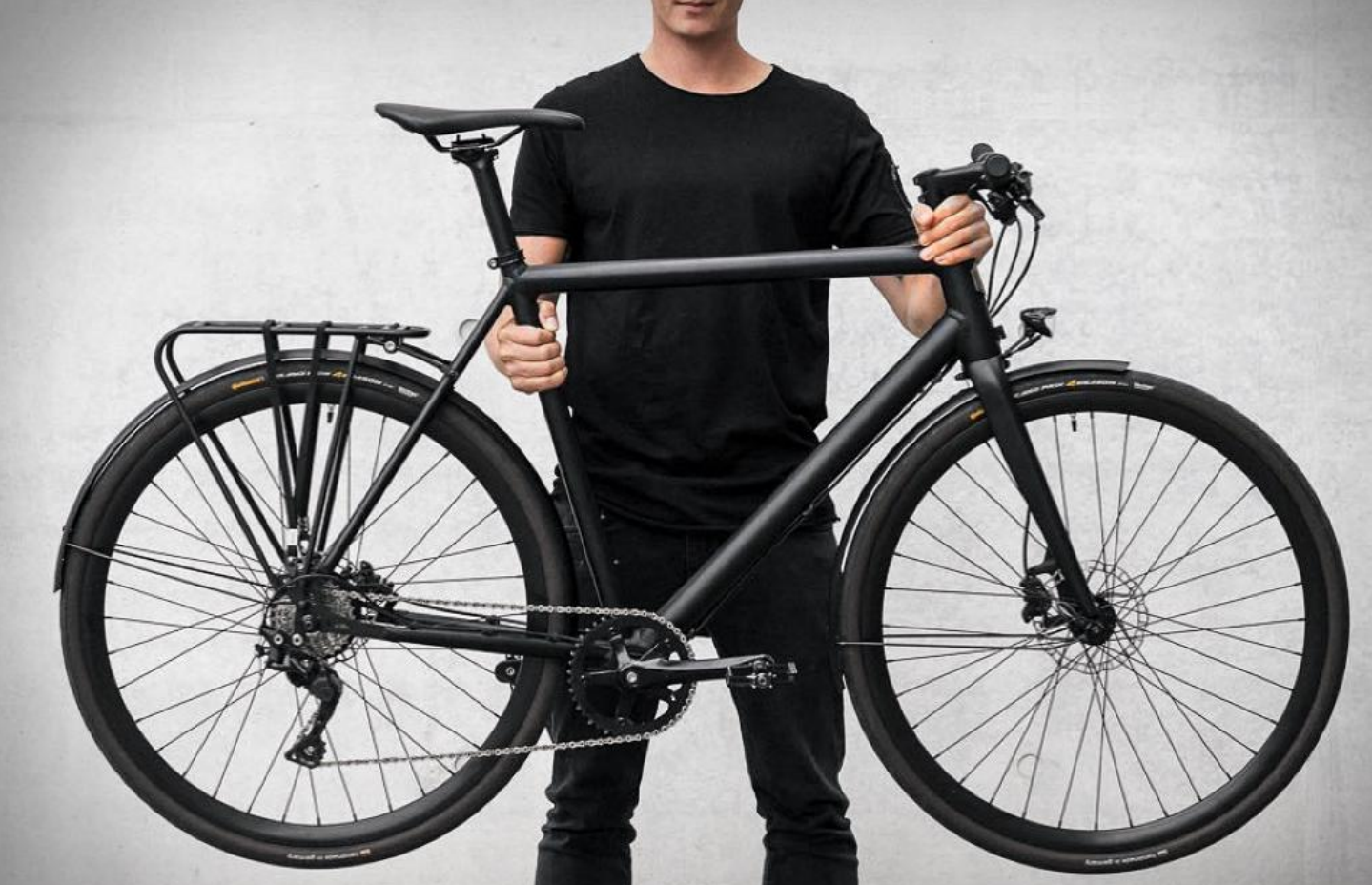
Most Slovenian riders use e-bikes for daily commuting, city errands, and short trips between suburbs and city centers. Commuter e-bikes are designed for urban riding, typically featuring fenders, racks, and lights, and offer an upright riding position for comfort during city commutes.
Typical Chinese commuter e-bike specs include:
• 250 W hub motor
• 36–48 V battery around 500–720 Wh
• Upright saddle and handlebar position
• Integrated lights, mudguards, rear racks, and kickstands
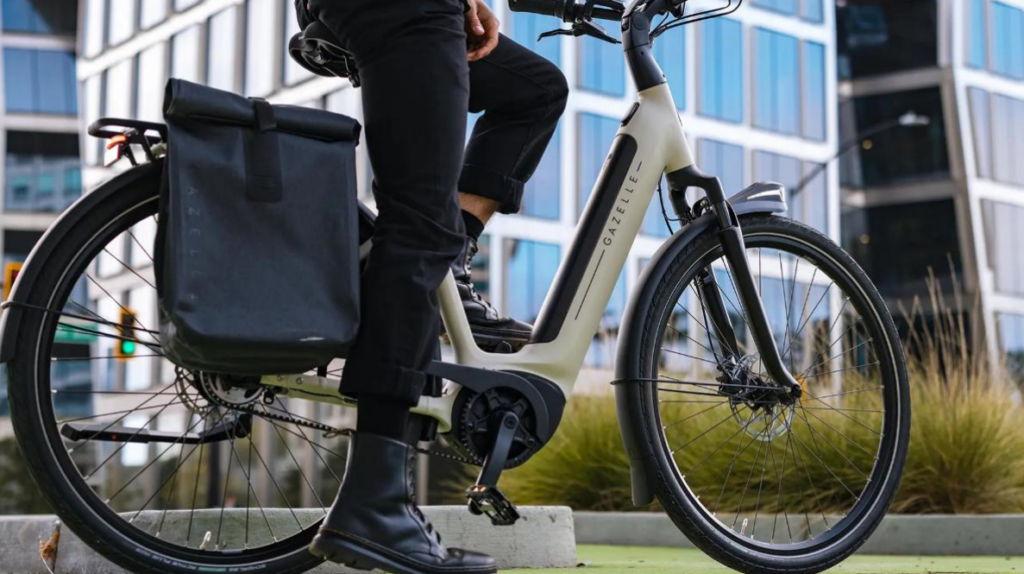
These fit real Slovenian routes well: daily rides from Domžale to Ljubljana or from peripheral districts of Maribor to the center, with 30–40 km round trips comfortably within a single charge. NIU Technologies focuses on IoT integration and smart app ecosystems, catering primarily to urban commuters and offering GPS tracking features that enhance security.
Prioritize hydraulic disc brakes for wet Slovenian autumn/winter conditions, plus reflective tires and built-in lights for dark commutes. Mid-tier Chinese brands with EU distributors often stock this category in central European warehouses, reducing delivery time and simplifying warranty returns for Slovenian buyers.
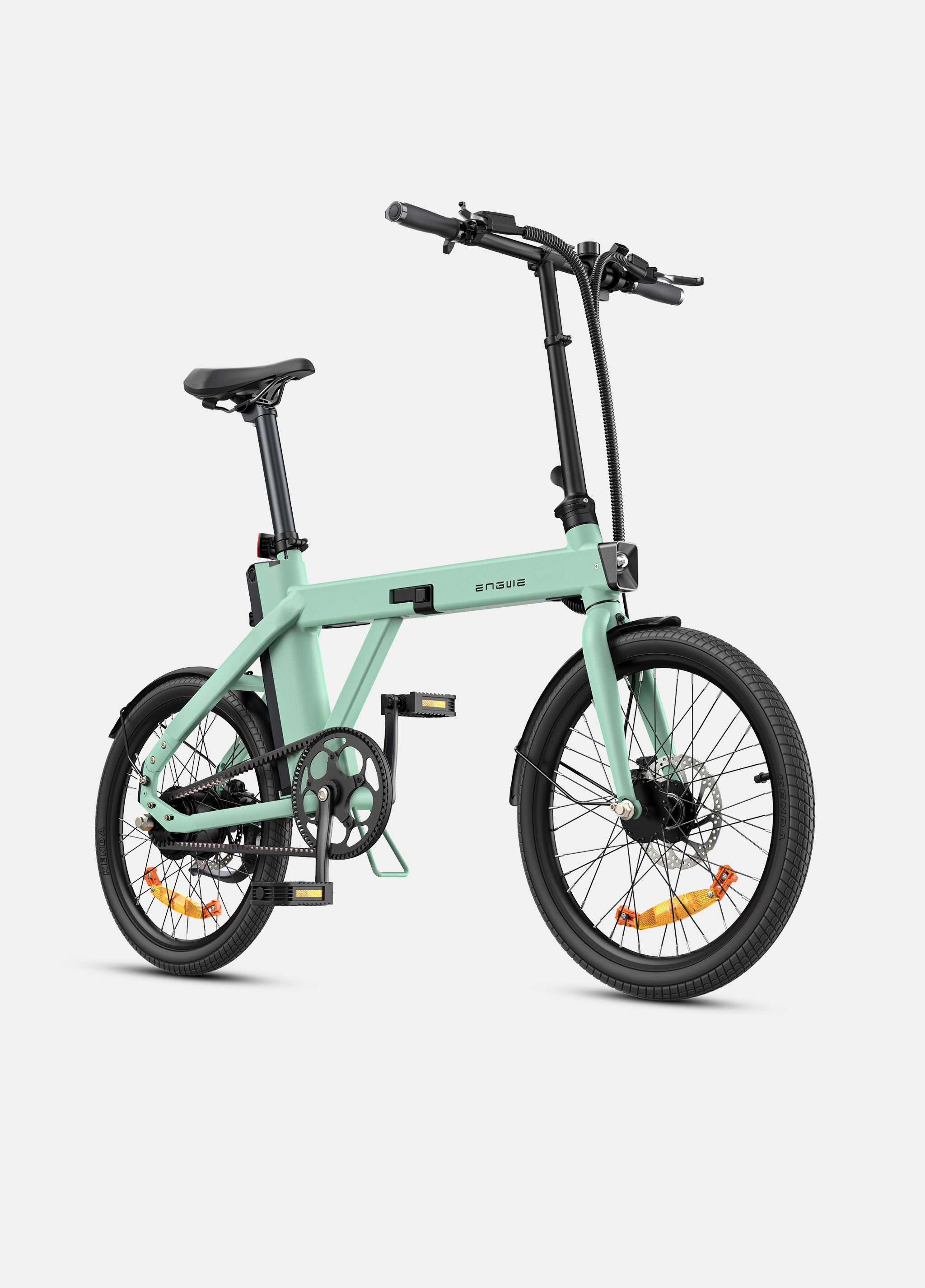
Folding Chinese e-bikes work well for Slovenians living in apartment blocks in Ljubljana, Celje, and Kranj, where storage space and elevator size can be limiting.
Key characteristics include:
• 20-inch wheels
• Quick-fold frames
• 250 W motors
• Removable batteries
• Total weight of 20–25 kg, making them easier to carry up stairs or onto trains
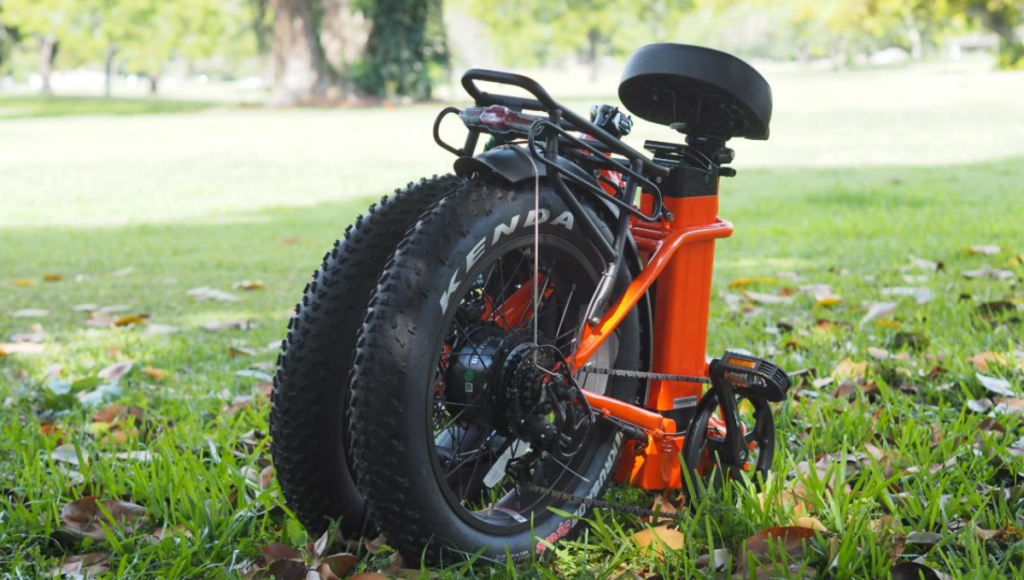
Riders can easily combine folding e-bikes with Slovenian Railways services. You can ride straight to the station. Then, fold the bike and board regional trains.
Finally, unfold it for your last-mile travel. This system creates ideal, eco-friendly transportation solutions.
You should choose Chinese folding bikes with standard battery formats. Ensure they use standard mechanical parts for easier local service.
Sturdy hinges and strong frame locks are absolutely essential for durability. Chinese brands often undercut European folding models significantly. They save buyers several hundred euros. This price makes them very attractive for students and city workers.
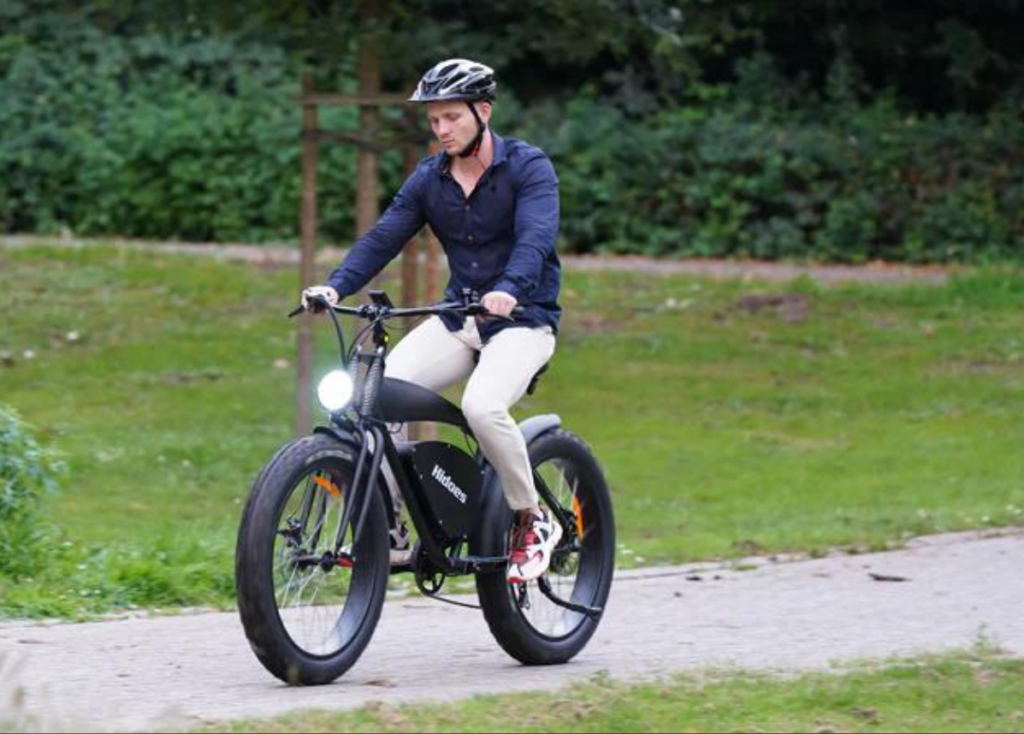
Slovenian riders around the Soča Valley, Pohorje foothills, and coastal areas near Koper and Piran enjoy fat-tire Chinese e-bikes for mixed terrain and gravel tracks. Fat tire e-bikes are designed for stability on diverse terrains and usually include 750W–1000W motors and 48V–52V batteries. Features typically include:
• 4-inch-wide tires
• Dual suspension
• Dual-battery options exceeding 1,000 Wh
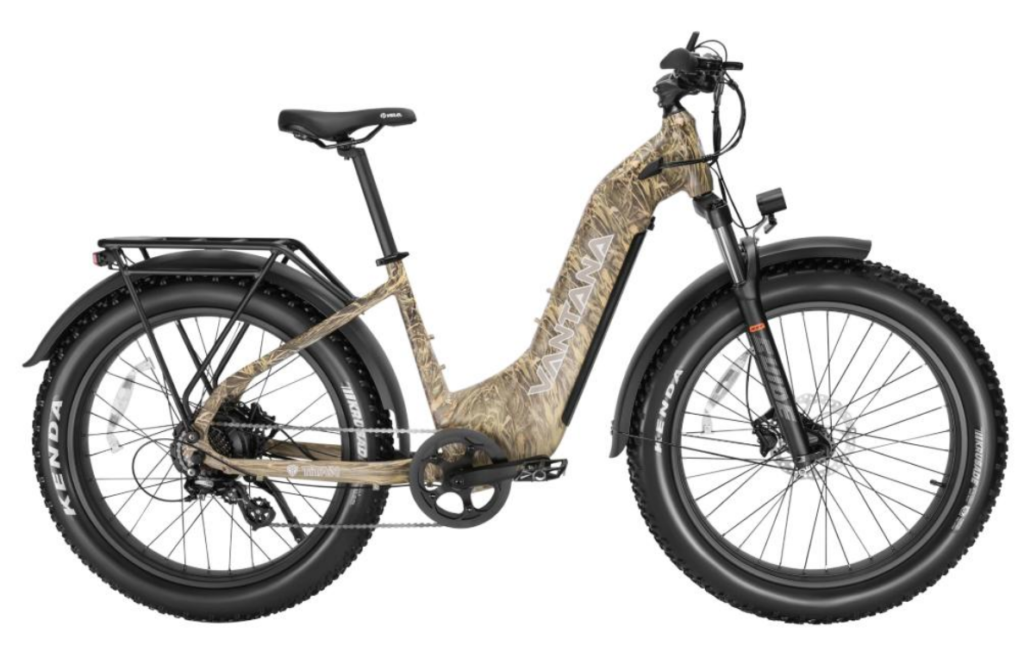
On-road use in Slovenia must obey 250 W / 25 km/h rules. These bikes suit beach-adjacent paths, snowy village roads, and weekend rides on forest tracks for outdoor adventures. However, their heavier weight and rolling resistance make them less suitable for pure city use.
Many powerful Chinese fat-tire models sold online need to be limited via controller settings or used only off-road on private land in Slovenia. For rental fleets in tourist areas, B2B owners should select models certified for EU use and ensure spare tire and tube sizes are easily available locally.
Hardcore Slovenian mountain bikers around Kranjska Gora, Bovec, and Triglav National Park need strong frames, powerful and well-cooled motors, and top-tier brakes for exceptional performance on technical terrain.
Some Chinese brands now offer mountain e-bikes with mid-drive motors (Bafang/Tongsheng delivering 45–80 Nm torque), long-travel suspension (120–160mm), and branded components (Shimano Deore, RockShox). Talaria and DJI are notable competitors in the electric mountain bike market, emphasizing off-road power and performance. However, service support can lag behind European brands in this high-end segment.
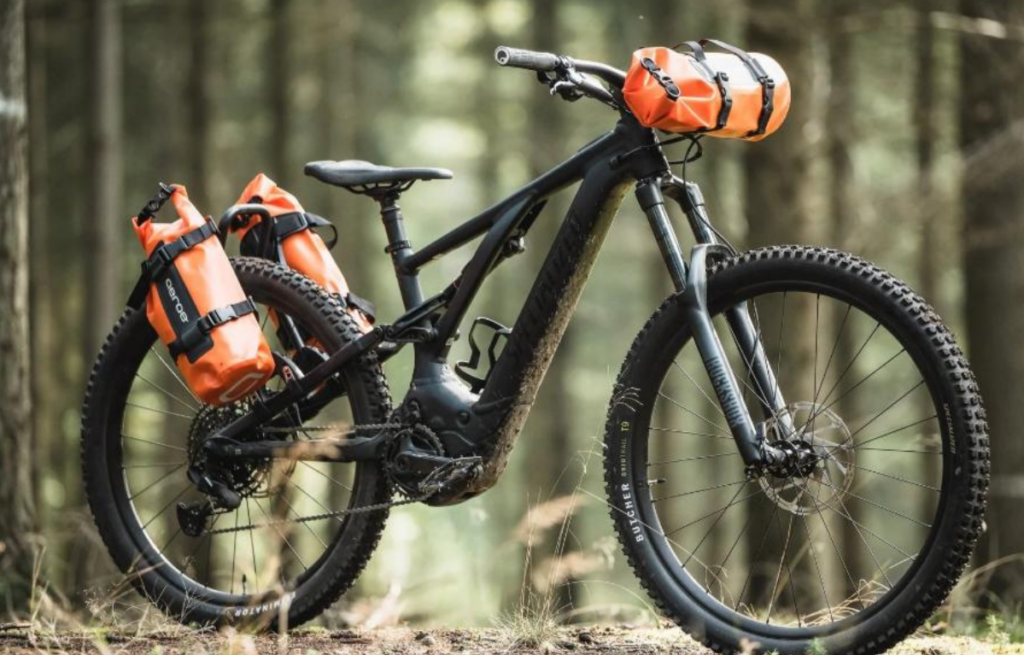
Serious riders should compare frame design, suspension quality, and motor torque numbers—not only battery capacity or motor wattage—when evaluating Chinese eMTBs. A cautious “test-and-see” approach works well: start with mid-priced Chinese eMTBs for moderate trails and upgrade to premium options with established EU service for demanding Alpine routes.
For rental businesses around Bled or Kranjska Gora, durability and quick spare-part replacement may matter more than initial purchase price alone.
When choosing an e-bike, consider key components such as the motor type, battery capacity, and braking system, as these factors significantly influence performance and safety. Component choice matters more than the logo on the frame when assessing long-term value for Slovenian conditions.
Motor: Hub vs Mid-Drive for Slovenian Hills
Hub motors (common on Chinese e-bikes) are affordable, low-maintenance, and sufficient for flat city rides and moderate slopes around Ljubljana and Maribor.
E-bike motors range from 250W to over 1000W, with hub motors common on budget models and mid-drive motors popular for better performance.
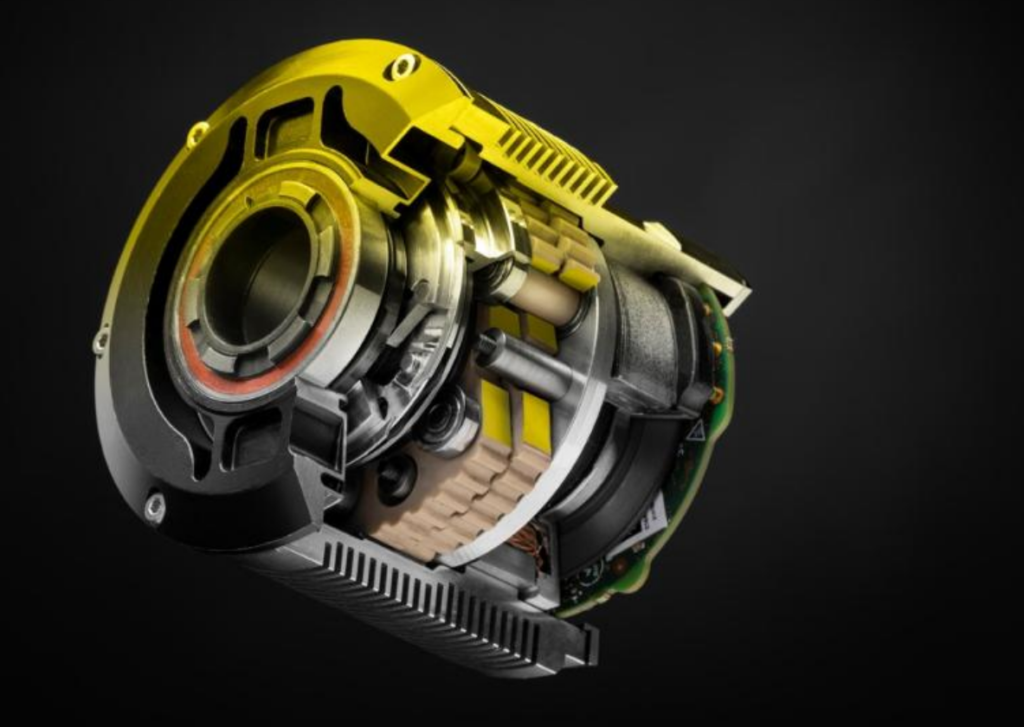
Mid-drive motors suit steep climbs due to higher torque and natural-feeling power delivery, but are often more expensive and less common on budget Chinese models.
Many e-bike brands offer 500W–750W brushless motors for strong acceleration that
perform well in urban commuting scenarios. Look for clear torque figures (e.g., 45–80 Nm) rather than just nominal wattage, as torque determines hill-climbing capability, which is important in hilly regions like
Gorenjska. Ensure any motor claiming more than 250 W has an EU-legal “eco” mode capped at 250 W/25 km/h for road use in Slovenia.
Range is best estimated in watt-hours (Wh). A typical Slovenian commuter needs roughly 400–600 Wh for a 30–50 km round-trip with hills. Chinese e-bikes typically feature robust 250W–1000W motors, 48V+ batteries, and smart, app-connected systems.
Many 2026 Chinese models offer 540–720 Wh packs, and some dual-battery adventure bikes exceed 1,000 Wh—useful for long tours around the Soča Valley or multi-day trips. Some Chinese e-bike models now offer ranges exceeding 100 miles per charge, significantly reducing range anxiety for users.
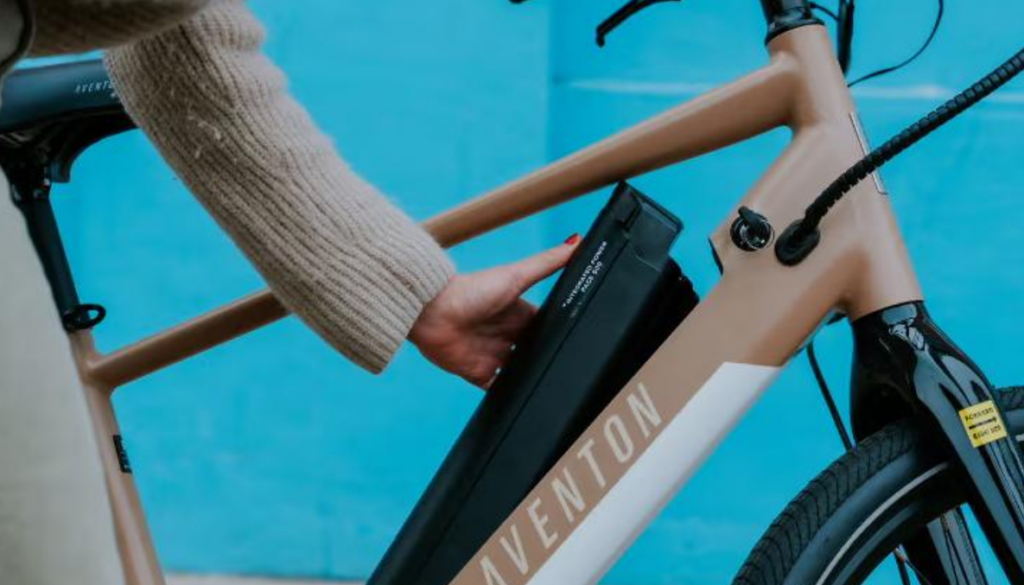
Chinese manufacturers are leading in battery innovation today. They are developing cutting-edge semi-solid-state and lithium-iron-phosphate batteries.
These new technologies greatly enhance safety and overall battery life. They offer more charge cycles and better performance. They also handle freezing winter temperatures much more effectively.
However, standard lithium-ion batteries can pose serious safety hazards. Mishandling them leads directly to risks of overheating and dangerous fires. Because of this, proper official certification remains absolutely essential.
High-end e-bike models often provide specialized, fast-charging battery packs. These systems are capable of reaching 80% capacity in two hours.
Always check the specific cell brands before buying. Look for reputable names like Samsung or LG over generic options.
Choose a removable design for convenient charging inside upper-floor flats. Finally, read real-world rider reviews from EU climates similar to Slovenia. This helps verify all battery efficiency claims effectively.
Hydraulic disc brakes (160–203mm rotors) are the minimum standard for frequent riding on wet and steep Slovenian roads, offering reliability over mechanical discs and rim brakes.
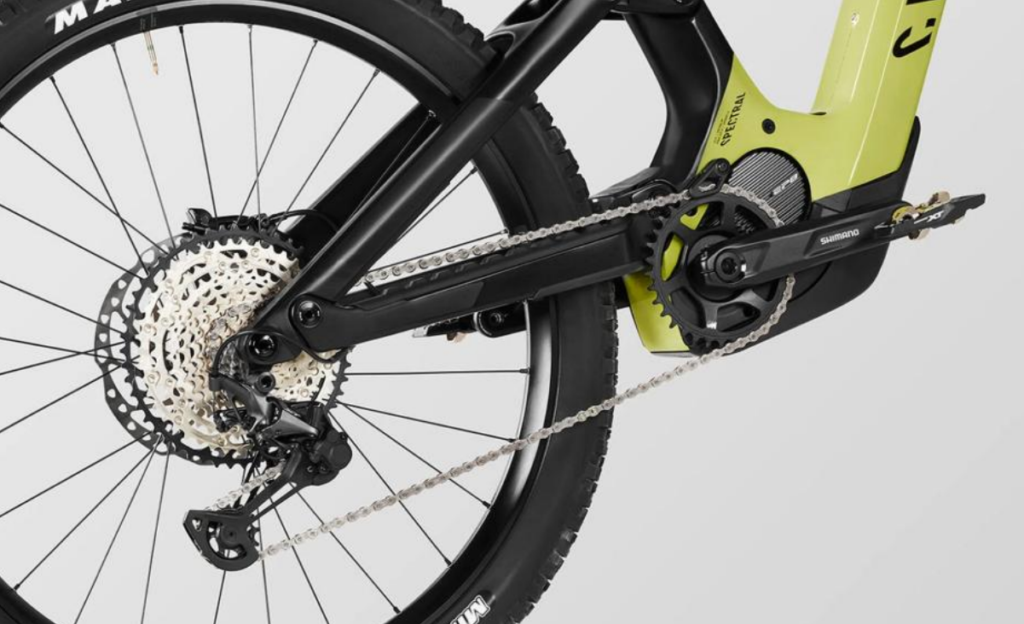
Prefer Chinese e-bikes using well-known drivetrains (Shimano, SRAM) with at least 7–9 gears, which local bike shops can easily adjust and repair using high-quality components.
A clear, backlit LCD or color display showing speed, assist level, and battery percentage proves especially useful during dark winter commutes in Ljubljana.
Safety-related electronics—power-cut brake levers, integrated lights, and optional
ABS or EBS (as offered by companies like NIU and Aima) adds value for European riders seeking reliable performance.
Chinese e-bike brands are recognized for integrating GPS tracking, IoT connectivity, and fast-charging batteries at lower prices compared to Western competitors.
Local or regional dealers offer the fastest service and easiest warranty handling with pre-assembled, compliant bikes—but at premium prices and limited brand selection.
EU-warehouse online sellers provide mid-level pricing, a wide assortment of Chinese brands configured for EU specs, delivery within days to Slovenia, and simpler returns within the EU consumer-protection framework (2-year warranty, 14-day returns under Directive 2011/83/EU).
Direct-from-China importing yields the lowest unit cost but adds shipping fees (€100–300 per bike), potential customs duties (10.3–70.1% anti-dumping plus 3.9–17.2% countervailing duties extended through 2025–2026), and 22% Slovenian VAT. Lead times stretch to 4–12 weeks with complex warranty claims. Experienced Chinese exporters already manage container consolidation, customs paperwork, and EU delivery. This illustrates the logistics support Slovenian B2B buyers should seek when planning bulk e-bike imports.
B2B buyers (distributors, rental fleets) should negotiate for spare-part kits, technical training, and clear documentation in the initial contract to avoid downtime once bikes are deployed in Slovenia. This approach mirrors best practices for international buyers across industries.
“Worth it” depends on rider profile, terrain, and expectations. Here’s a breakdown by user group:
Daily commuters in Ljubljana and Maribor: Mid-priced Chinese urban e-bikes offer excellent value with reliable range and comfort at competitive pricing, especially when bought from an EU-based seller. Operating costs run €0.01–0.02/km versus €0.15 for car fuel.
Students and occasional riders: Budget Chinese folding or hybrid e-bikes with smaller batteries provide a cost-effective alternative to monthly bus passes and fuel, offering lower operating costs and flexibility. Savings of €300/year over transit passes are realistic. Mountain and trail enthusiasts: Carefully compare Chinese eMTBs with established
European options, factoring in not just price but suspension quality, motor torque, and local service access near Alpine resorts. Bosch motors and similar European options may justify their premium for demanding use.
Tourism and rental operators (Lake Bled, Bohinj, Portorož): Chinese commuter and trekking e-bikes can maximize return on investment, provided they’re EU-compliant and backed by solid spare-part support and maintenance planning from reputable brands.
As of April 2026, the best value sits in the mid-segment Chinese e-bikes with a proven presence in other EU markets—rather than ultra-cheap unknown brands or very high-end boutique imports. This represents the informed purchase strategy for most Slovenian buyers.
How long does a Chinese e-bike battery typically last in Slovenian conditions?
With modern lithium-ion or LFP rechargeable batteries, riders can expect roughly 600–1,000 full charge cycles, translating to 3–6 years of regular commuting in Slovenia if stored and charged correctly.
Cold winters around Ljubljana and Alpine regions can reduce effective range in the short term, but high-quality Chinese batteries designed for -10°C to 50°C operation (similar to Yadea and Sunra specs) handle these conditions reasonably well.
Advise practices to extend life: avoiding full discharges, not leaving the battery at 100% for weeks, storing indoors at a moderate temperature, and checking manufacturer-specific guidelines.
Replacement packs for popular Chinese models are increasingly available from EU stock, but buyers should verify availability before purchase.
Can Slovenian bike shops service Chinese e-bikes without brand-specific training?
Most standard maintenance—brakes, gears, tires, chains—is the same as on regular bikes and can be done by any competent shop in Slovenia. Issues with proprietary controllers, displays, or battery management systems may require help from the original supplier, making well-documented brands with EU partners preferable for business customers.
B2B fleet operators should arrange basic technical training and spare electronics kits from Chinese manufacturers to prevent extended downtime.
Private buyers should ask local bike shops which motor and controller brands they’re comfortable servicing before choosing a specific Chinese e-bike model.
Buying from an EU-based seller (even if the bike is made in China) gives Slovenian consumers access to EU-wide consumer-protection rules and simpler returns, usually with 1–2-year warranties on electronics.
Direct imports from China often have limited or manufacturer-only warranties, with the buyer responsible for shipping costs back to China and longer waiting times for repairs or replacements—potentially €200–500 in return shipping alone.
Read warranty terms carefully, check for EU service centers, and consult online forums or reviews from other EU riders of the same brand.
B2B buyers should negotiate contract-level warranty terms and on-site or regional service arrangements instead of relying solely on standard retail policies.
Are there import limits or special taxes?
E-bikes imported into Slovenia from outside the EU face strict customs procedures. These shipments are subject to standard percentage-based customs duties depending on classification.
Additionally, a 22% Slovenian VAT applies directly to the total customs value.
The EU recently removed the automatic duty-free threshold for low-value imports. Now, even small private purchases under 150 euros face a flat customs duty. You should verify the latest procedural changes directly with Slovenian customs. Alternatively, check with your delivery courier before placing any order.
Ordering an e-bike from an EU warehouse completely avoids customs clearance. The goods have already officially entered the European Union market. This leaves only the standard domestic VAT embedded within the retail price.
Furthermore, select city and folding models under 2,500 euros may qualify for subsidies. The Slovenian Borzen national program offers grants covering up to 500 euros.
B2B importers should always partner with highly experienced logistics providers. This is similar to the strategy used for importing specialized carbon fiber materials. Professional providers successfully optimize high shipping costs and complex international paperwork.
Attending the massive Canton Fair offers excellent networking opportunities. Similar large-scale trade events also help establish direct, reliable manufacturer relationships.
Many leading Chinese e-bike manufacturers emphasize eco-friendly production, higher-efficiency motors, and long-life batteries, narrowing the environmental gap with European brands.
Transport emissions from shipping complete bikes from Asia to Europe are real but often small compared to the lifetime emissions savings versus car use, especially for daily commutes in rural areas and cities alike.
For Slovenian businesses, consolidating shipments (for example, combining e-bikes with other Chinese imports like building materials) can reduce per-unit transport impact.
Look for brands publishing lifecycle or sustainability reports, and extend product life through good maintenance and eventual battery recycling through certified EU channels. The future of mobility increasingly favors these eco-friendly transportation solutions, with technological advancements continuing to improve efficiency across global leader companies in Southeast Asia, South America, and beyond. Even conversion kits for existing bikes represent viable options for extending the life of quality frames while embracing innovation in the electric two-wheeler market.
For most Slovenian riders in 2026, mid-segment Chinese e-bikes represent the value sweet spot. Brands like NIU, Yadea, Aima, and Engwe-type manufacturers have matured significantly, offering lightweight designs, reliable performance, and smart features that allow Chinese brands to compete effectively against European counterparts.
Whether you are a commuter in Ljubljana or a student in Maribor, you can always choose the right e-bike by browsing the ECOLYMP shop. It offers a great mix of capabilities at highly competitive pricing.
The main key lies entirely in verifying official EU compliance documents. You should carefully select models built with easily serviceable, non-proprietary mechanical components.
Additionally, choose purchase channels that provide adequate local warranty support. Private buyers should target commuter or folding models under 2,500 euros. These specific categories often qualify for a 500-euro national subsidy from Borzen.
For B2B buyers, leveraging established China-to-EU logistics expertise streamlines the entire import process. This strategy effectively covers electric bikes, replacement batteries, or related components.
Working with experienced partners maximizes your long-term transport cost savings. Always request complete compliance documentation from factories early. Negotiate comprehensive replacement spare-part packages into your contract. Finally, partner with seasoned regional importers to build a reliable and highly profitable fleet.