-

English
-
Slovenian

English

Slovenian
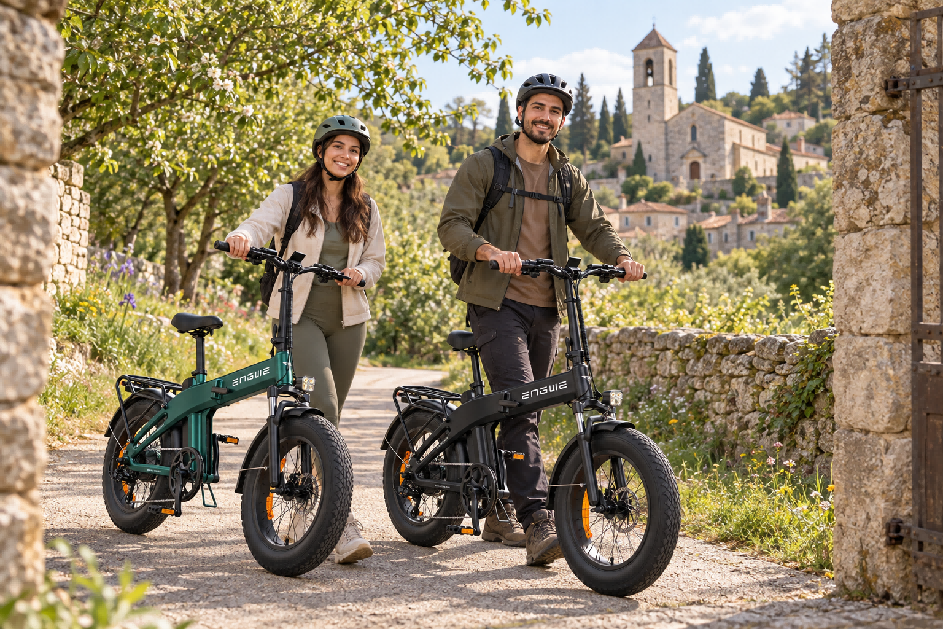
ENGWE EP-2 3.0 Boost review for Slovenia: 75 Nm torque sensor motor, 648 Wh removable battery, up to 120 km range, hydraulic brakes and a EU-legal 250 W / 25 km/h drive.
Folding fat-tire e-bikes solve a very specific Slovenian problem: how to own a bike when your flat is on the third floor, your commute involves a train, or your car boot is already full. The ENGWE EP-2 3.0 Boost is one of the most complete answers in the category — a 250 W EU-legal motor producing 75 Nm of torque, a removable 48 V 13.5 Ah battery rated up to 120 km, hydraulic disc brakes and a frame that folds to 97 × 53 × 81 cm. In this ENGWE EP-2 3.0 Boost review we cover the specifications, the ride feel, and what owning one actually looks like on Slovenian streets. Specifications are sourced from the ENGWE official product page.
Electric bikes have become one of the most practical ways to move around European cities, and the folding fat-tire segment is where much of the excitement lives. ENGWE has earned a loyal following across the continent, and its latest EP-2 3.0 Boost shows why. This folding e-bike combines an EU-legal 250 W motor with a powerful 75 Nm of torque, a torque sensor that makes assistance feel natural, a 48 V 13.5 Ah battery rated for up to 120 km, hydraulic disc brakes and Bluetooth app control — all in a compact package that folds down for storage and transport. In this review, we take a close look at the specifications, ride experience and real-world value of the EP-2 3.0 Boost for European riders.
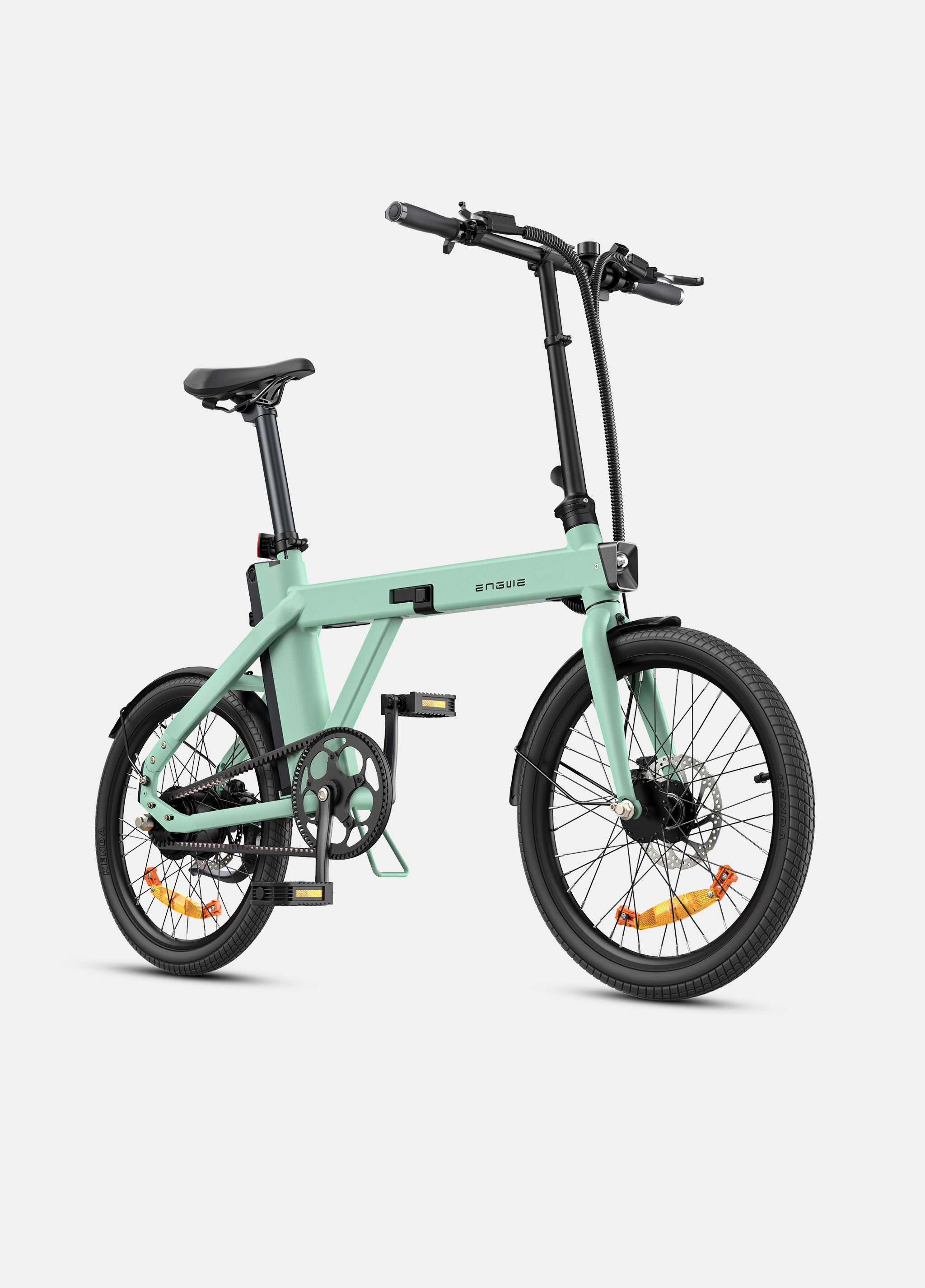
The EP-2 3.0 Boost keeps the proven folding-fat-bike formula that made the EP-2 series popular, with refinements that bring it firmly up to date. The frame folds down to 97 × 53 × 81 cm, which is compact enough for a car boot, a storage cupboard or a corner of a flat. Unfolded, the bike measures 166 cm in total length with a 110 cm wheelbase, giving it a stable, planted feel on the road. The battery is integrated into the frame but fully removable, so you can charge it at a desk or take it with you when the bike is parked.
Weight is the honest trade-off of this category: the bike weighs 32.3 kg (about 71.2 lb), with a gross weight of roughly 40.3 kg including packaging. That is heavy for carrying upstairs, but perfectly manageable when you are rolling it, and it is the price you pay for 20 × 4.0-inch fat tires and a rugged frame. ENGWE rates the payload at 150 kg, which covers heavier riders and luggage comfortably. The saddle adjusts between 88 cm and 104 cm and the handlebar between 126 cm and 135 cm, so the bike fits riders from roughly 165 cm to 190 cm tall.
The package also includes a rear rack, front and rear fenders, a kickstand, pedals, assembly tools and a user manual — useful additions that many rivals charge extra for. The whole bike is certified to CE EN15194, the key EU standard for electrically power-assisted cycles, verified by TÜV. ENGWE also publishes detailed water-resistance ratings: IPX7 for the wiring, IPX6 for the display and lights, and IPX5 for the motor, controller and battery box — a strong argument for commuting in European weather.
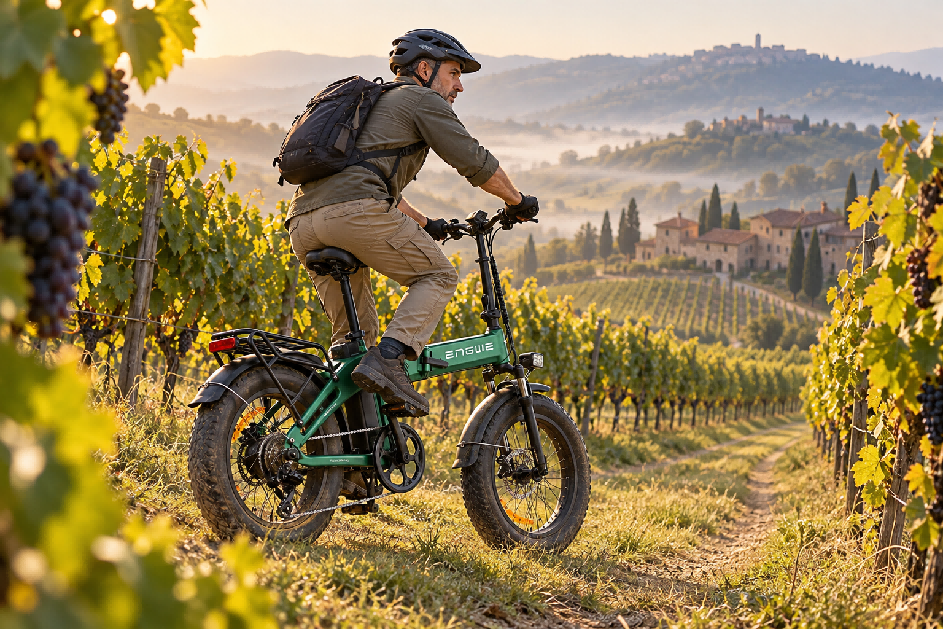
At the heart of the EP-2 3.0 Boost is a 48 V hub motor rated at 250 W, which keeps the bike squarely in the EU-legal e-bike category: assistance up to 25 km/h, with no license or registration needed in most European countries. The headline number, however, is torque — 75 Nm maximum. That is exceptionally high for a 250 W hub motor, and it is what gives the bike its "Boost" character. Torque is what you feel when pulling away from traffic lights, climbing hills, or carrying a loaded rear rack, and 75 Nm makes short work of situations where lesser motors would strain.
The bike uses a torque sensor rather than a simple cadence sensor. In plain terms, the motor responds to how hard you press the pedals, delivering assistance in proportion to your effort. The result is a ride that feels intuitive and natural — power arrives smoothly as you push, rather than in the abrupt on-off surges typical of cheaper sensors. There are five levels of pedal assist, so you can dial the assistance from gentle eco cruising to near-full power. On flat roads at higher assist levels, the 25 km/h cutoff arrives quickly; the fat tires and upright riding position keep the bike stable and comfortable at that speed.
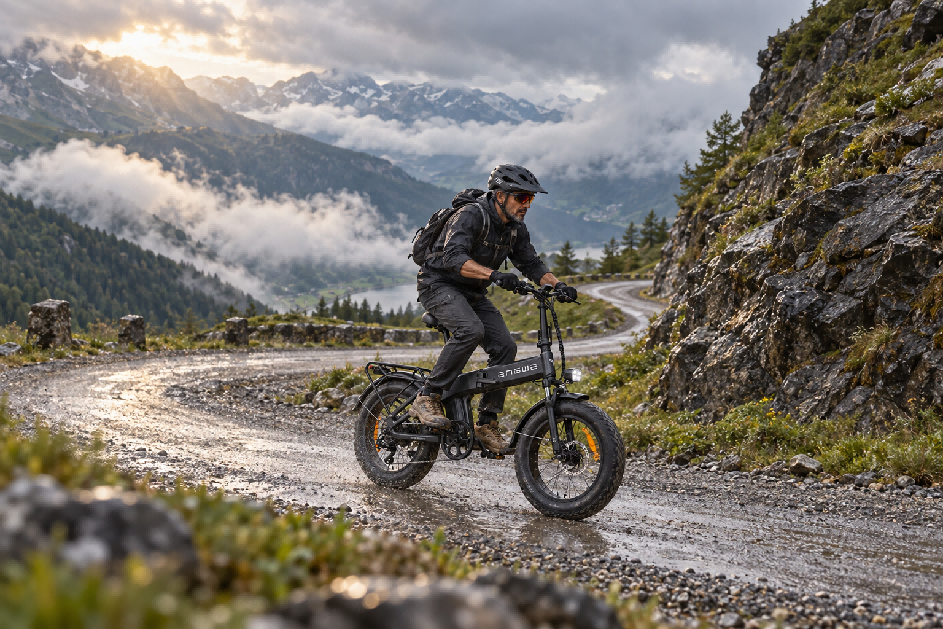
Slovenian commuting rarely means flat cycle paths: it means a climb out of a valley, a bridge, a cobbled section in the old town. Under EU and Slovenian rules the 250 W motor and the 25 km/h cutoff keep this bike in the EPAC category — no registration, no insurance plate, no licence, just the normal rules for cyclists (see Slovenia e-bike laws in 2026).
What matters more than the watt figure is the 75 Nm of torque and the torque sensor. Torque is what you feel pulling away from a junction or hauling a loaded rack uphill, and the torque sensor means the motor follows your pedal pressure instead of switching on and off. It is the single biggest reason this bike feels more expensive than it is on Slovenian hills.
Range is one of the EP-2 3.0 Boost's strongest cards. The removable 48 V 13.5 Ah battery holds 648 Wh of energy, built from high-density 21700 cells with integrated BMS protection. ENGWE's official range figures, measured with a 75 kg rider on flat roads at 25 °C, are up to 120 km in PAS level 1, 100 km in PAS level 3 and 80 km in PAS level 5. Real-world range will vary with rider weight, terrain, wind, temperature and how much you rely on high assistance levels — but even a conservative estimate comfortably covers a full day of urban commuting on a single charge.
Charging is refreshingly fast for this category. The included 54.6 V 4 A charger takes about 3.5 hours for a full charge, so you can top up over lunch or overnight without planning your life around the battery. Because the battery is removable, you can also keep a second one charged for ultra-long days — although at 120 km of claimed range, most riders will rarely need to.
The 20 × 4.0-inch fat tires are the defining feature of the ride. Their large air volume provides a cushioning effect that smooths out potholes, cobbles and gravel, and their wide footprint delivers grip that inspires confidence on loose surfaces. ENGWE positions the bike as all-terrain capable — equally at home on urban roads, light off-road trails, sandy beaches and even snow — and while that is marketing language, the fat tires genuinely widen the envelope of where you can ride.
Up front, a suspension fork absorbs the worst of the bumps, and the torque sensor makes the motor feel like an extension of your own legs. The Shimano 7-speed drivetrain provides mechanical gears for the times you want to pedal beyond the motor's assistance or climb steep sections at your own pace. The ergonomic saddle is designed to reduce pressure points on longer rides, and the upright geometry puts you in a comfortable, visible position in traffic. Around town, the combination of fat tires, moderate speed and hydraulic brakes feels planted and predictable.
Stopping power comes from hydraulic disc brakes, a genuine step up from the mechanical disc brakes found on many budget fat-tire e-bikes. Hydraulic systems need less hand effort, modulate more precisely and maintain their performance better in wet conditions — all important for daily commuting in Europe. The brake feel is progressive and easy to control, whether you are slowing for traffic or making an emergency stop.
Safety and weatherproofing are clearly part of the design brief. The LED headlight keeps you visible in low light, and the detailed IP ratings — IPX7 wiring, IPX6 display and lights, IPX5 motor, controller and battery box — mean the bike is built to shrug off rain, spray and washing. As with any e-bike, we recommend a helmet and lights for night riding; the CE EN15194 certification confirms the bike meets the EU's requirements for electrical safety and construction.
The EP-2 3.0 Boost is a connected e-bike. The 3.5-inch color LCD display sits in a mid-position on the handlebar, keeping speed, battery and ride data in your natural line of sight. It connects to your phone via Bluetooth, pairing with the ENGWE app, which lets you monitor the bike's status, review ride records and access security and diagnostic functions. ENGWE's connected bikes generate ride and device data as part of these services; the company publishes details on its EU Data Act page about what data is collected and how it can be exported or deleted, which is worth a read for privacy-conscious riders.
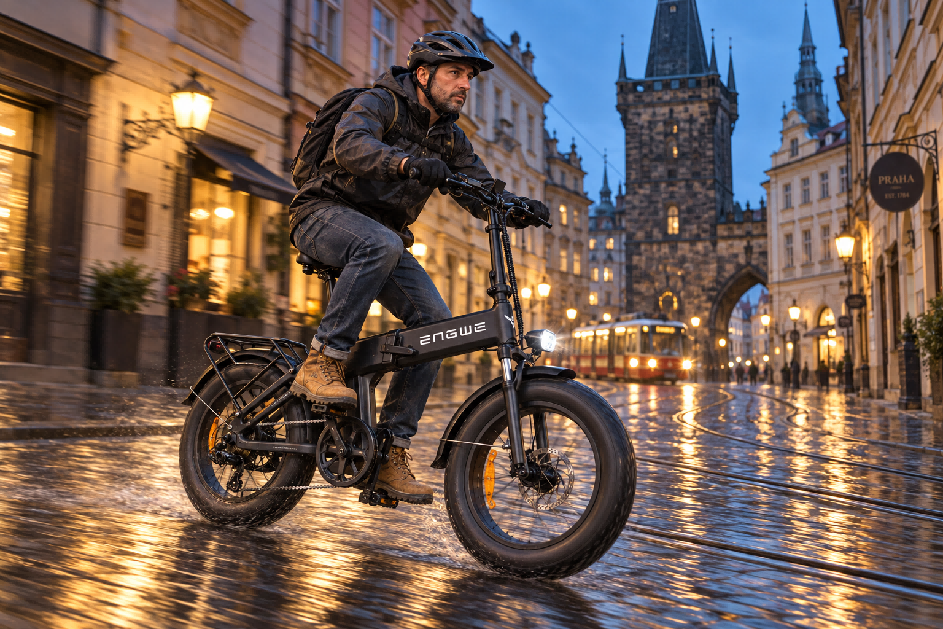
The folding design is the EP-2 3.0 Boost's everyday superpower. Folded, it measures 97 × 53 × 81 cm — small enough to live in a flat, ride on a train where bikes are permitted, or slide into a car boot. The integrated rear rack takes panniers or a lock bag, and with a 150 kg maximum load, the bike handles a rider plus shopping, laptop or delivery gear without complaint.
Out of the box you get the e-bike, the 13.5 Ah battery, the 4 A charger, front and rear fenders, a kickstand, a rear rack, pedals, assembly tools and the user manual. Assembly is straightforward, and ENGWE ships from the warehouse closest to your address with typical delivery of 2 to 10 days within Europe — remote areas and islands may not be covered, so check before ordering.
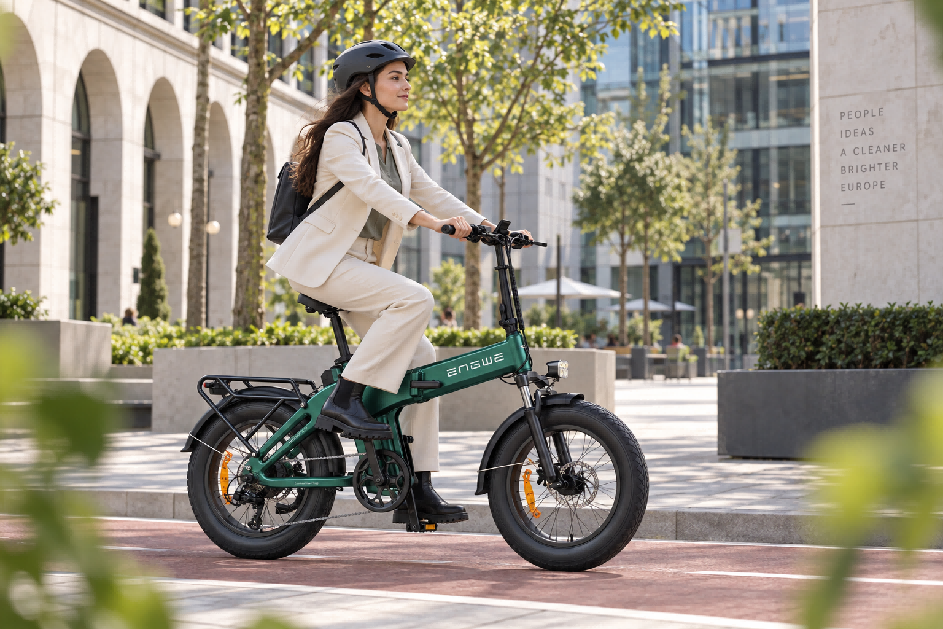
At the time of writing, the EP-2 3.0 Boost is priced at €1,199 (down from an RRP of €1,299) on ENGWE's official store, with stock fluctuating — it recently ran as a pre-sale expected back in late July. For that price you get 75 Nm of torque, a torque sensor, hydraulic brakes, a 648 Wh battery, a fast charger and app connectivity — a package that compares well with premium folding e-bikes costing considerably more. ENGWE also offers an optional extended warranty: around €10.83 per month adds an extra year of official cover including the battery, motor and controller. With 191 reviews averaging 4.99 out of 5, and ENGWE claiming more than 100,000 riders worldwide, the EP-2 3.0 Boost arrives with strong community backing.
Below are the full specifications behind this ENGWE EP-2 3.0 Boost review.
ENGWE EP-2 3.0 Boost — key specifications (source: ENGWE official product page)
| Specification | Details |
|---|---|
| Motor | 48 V hub motor, rated 250 W (EU-legal), max torque 75 Nm |
| Battery | 48 V 13.5 Ah (648 Wh), 21700 cells with BMS protection, removable |
| Charger | 54.6 V 4 A, full charge in about 3.5 hours |
| Range (official) | Up to 120 km (PAS 1), 100 km (PAS 3), 80 km (PAS 5); tested at 75 kg rider, 25 °C, flat road |
| Pedal assist | 5 levels, torque sensor |
| Top speed | 25 km/h assist cutoff (EU-legal) |
| Tires | 20 × 4.0-inch urban hybrid fat tires |
| Brakes | Hydraulic disc brakes |
| Transmission | Shimano 7-speed |
| Display | 3.5-inch color LCD, mid-position, Bluetooth (ENGWE app) |
| Frame / folding | Foldable; folded size 97 × 53 × 81 cm |
| Unfolded size | 166 cm total length, 110 cm wheelbase |
| Bike weight | 32.3 kg (71.2 lb); gross approx. 40.3 kg |
| Max load | 150 kg (330 lb) |
| Rider height | Approx. 165–190 cm (5'5"–6'2") |
| Water resistance | IPX7 wiring; IPX6 display & lights; IPX5 motor, controller & battery box |
| Certification | CE EN15194 by TÜV |
| Included | Battery, 4 A charger, fenders, kickstand, rear rack, pedals, tools, manual |
| Price (at writing) | €1,199 (RRP €1,299), official ENGWE store |
The ENGWE EP-2 3.0 Boost is a well-rounded folding fat-tire e-bike that punches above its price. The 75 Nm torque motor and torque sensor deliver a riding experience that feels far more expensive, the 648 Wh battery covers serious distances, and the hydraulic brakes and IP ratings make it a credible all-weather commuter. It is particularly well suited to riders who want one bike for commuting, errands and weekend adventures, to heavier riders who need a 150 kg payload, and to anyone with limited storage space.
If your priority is a lightweight bike you can carry up four flights of stairs, the 32.3 kg weight will be a deal-breaker — look for a lighter folding model. And as with all EU-legal e-bikes, assistance stops at 25 km/h, so if you are chasing higher speeds, you are looking at a different category of vehicle. For the broad middle — daily commuting, exploring, and getting the most value per euro — the EP-2 3.0 Boost is an extremely compelling choice.
Is the ENGWE EP-2 3.0 Boost street legal in Europe?
Yes. It is rated at 250 W with assistance up to 25 km/h and carries CE EN15194 certification verified by TÜV, which qualifies it as an electrically power-assisted cycle in most European countries without a license or registration. Always check your local rules, as a few countries have specific requirements.
How far can the EP-2 3.0 Boost really travel?
ENGWE rates it at up to 120 km in PAS level 1, 100 km in PAS level 3 and 80 km in PAS level 5, tested with a 75 kg rider on flat roads at 25 °C. Expect somewhat less in hilly, windy or cold conditions.
How long does the battery take to charge?
About 3.5 hours with the included 54.6 V 4 A fast charger.
Can it be folded for storage?
Yes — the folded dimensions are 97 × 53 × 81 cm.
What is the maximum rider weight?
The rated payload is 150 kg (330 lb).
Is the ENGWE EP-2 3.0 Boost legal in Slovenia?
Yes. At 250 W with assistance up to 25 km/h and CE EN15194 certification it qualifies as a power-assisted cycle, so no licence or registration is needed. Check Slovenia e-bike laws in 2026 for the local rules that still apply to cyclists.
Will it handle Ljubljana streets and cobbles?
The 20 × 4.0-inch fat tires are the reason to buy it. Their air volume smooths out cobbles, broken asphalt and gravel far better than a narrow city tire, and the front suspension fork takes the edge off the rest.
Can I take it on a train or store it in a flat?
Folded it measures 97 × 53 × 81 cm, which fits a hallway cupboard, a car boot or a train luggage space where bikes are permitted. At 32.3 kg it is manageable to roll, not to carry up several flights of stairs.
That wraps up this ENGWE EP-2 3.0 Boost review. New to e-bikes altogether? Start with the differences between a bicycle and an e-bike, then compare this against Top 5 e-bikes in Slovenia for commuting. And if you are still unsure about buying from Chinese brands, our analysis of whether Chinese e-bikes are worth it in Slovenia is the honest starting point.