-

English
-
Slovenian

English
Slovenian
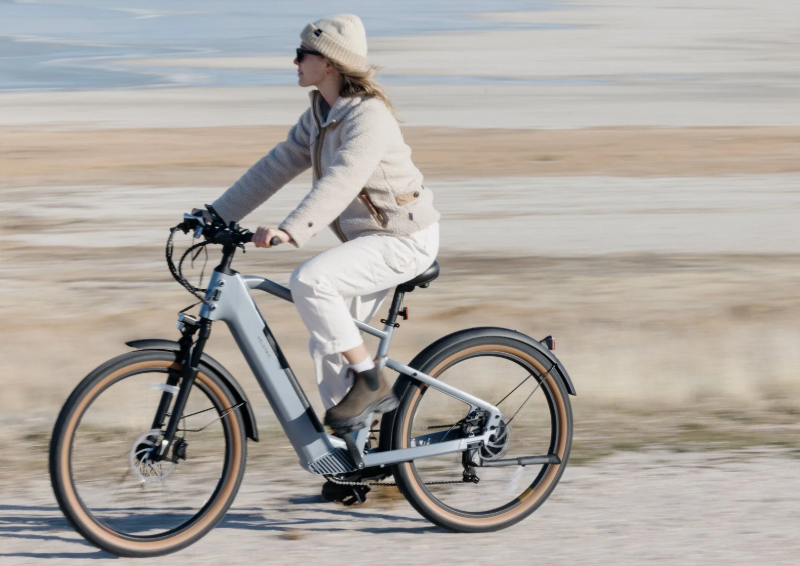
You find an electric bike that looks perfect for work and weekend rides. Then the numbers start to blur. Is 500 W legal? Is 25 km/h a speed limit? Can a throttle turn a bicycle into a moped? These are not small questions for current and prospective e-bike riders in Slovenia. The answers decide whether […]
You find an electric bike that looks perfect for work and weekend rides. Then the numbers start to blur. Is 500 W legal? Is 25 km/h a speed limit? Can a throttle turn a bicycle into a moped?
These are not small questions for current and prospective e-bike riders in Slovenia. The answers decide whether you need a number plate, insurance, a licence, or a different helmet, and they can also decide where you may ride and whether your bike is still classed as a bicycle on public roads.
Here is the short answer. In Slovenia, an e-bike is treated like a normal bicycle only if it is a standard pedal-assisted model with continuous rated motor power of 250 W or less, assistance only while you pedal, and motor support that cuts off before 25 km/h. This definition appears in the current Slovenian Road Traffic Rules Act and the Slovenian Motor Vehicles Act.
That rule covers most pedelecs sold for normal road use. The details below explain Slovenia's e-bike rules on motor power, speed, throttle use, helmets, registration, insurance, licensing, riding locations, cross-border use, and how to check whether a bike meets the legal definition. With more e-bikes on the road and more accidents involving them, knowing these limits helps you ride legally, stay safe, and avoid expensive mistakes.
Electric bikes are no longer a rare sight beside the Ljubljanica or on a climb outside Maribor. Slovenia imported 14,912 electric bikes with motors rated up to 250 W in 2025. Bikes were also the main transport choice for about 165,000 daily trips. Those figures come from the Statistical Office of the Republic of Slovenia, known as SURS.
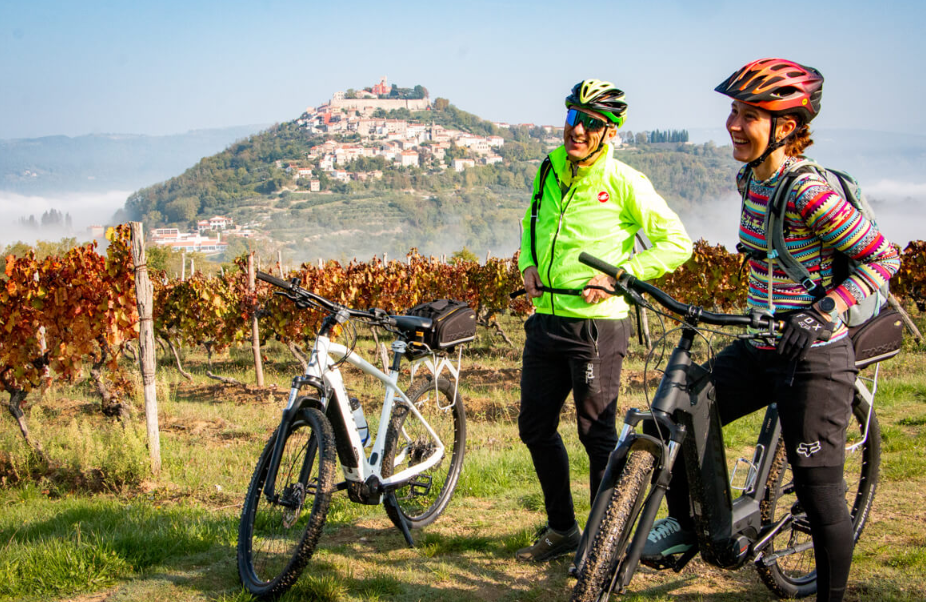
More riders also mean more moments when the rules matter. The Slovenian Traffic Safety Agency recorded 83 crashes involving electric bike riders in 2024. That was 23 percent more than in 2023. One person died, 18 were badly hurt, and 58 had minor injuries. The same AVP report on electric bike safety says that more than 60 percent of riders wore a helmet. The one rider who died did not.
The law tells us the minimum. Good judgment still has to come along for the ride.
The important words are continuous rated power. Slovenian law does not simply ask for the largest number a motor can produce for one brief moment. It looks at the maximum continuous rated figure. For a normal pedelec, that figure must be no more than 250 W.
This is why a product page may show a rated value and a higher peak value. Do not guess which number controls the legal class. Check the rating plate, declaration of conformity, and manual. They should agree.
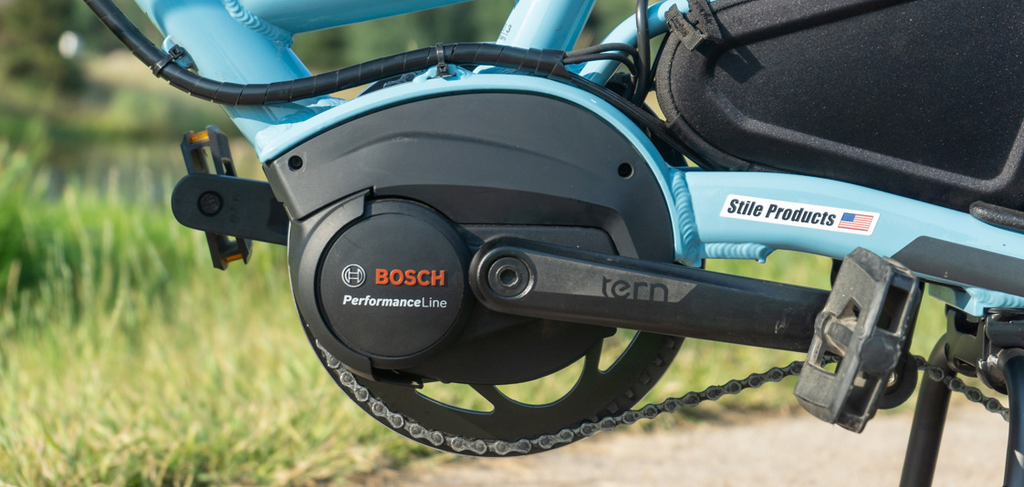
The European rule uses the same core test. Article 2 of EU Regulation 168 of 2013 sets out the test. Power must stop when the rider stops pedalling. Assistance must end before 25 km/h, and continuous rated power must be 250 W or less.
A bike advertised as 500 W, 750 W, or 1000 W is not a standard pedelec merely because its display is set to 25 km/h. Power, the way the motor starts, and the assistance cutoff all matter. It may be approved in a motor vehicle class, or it may not be approved for public roads at all.
The 25 km/h figure is an assistance cutoff. It is not a wall, and it is not a claim that the bicycle can never move faster.
On a descent, or with strong legs, you may ride past 25 km/h. The motor must stop helping before you reach that point. Normal road signs and the duty to ride safely still apply.
You can feel a good system soften its support as it nears the cutoff. It should not keep pulling at 28 or 30 km/h. If a setting, app, dongle, or hidden menu lets the motor assist above the legal point, the bike no longer meets the normal pedelec definition.
A tuned bike may look unchanged, but its legal status has changed. Its conformity documents may no longer describe the vehicle.
For a standard Slovenian pedelec, the motor must stop when you stop pedalling. A throttle that drives the bike while your feet stay still does not meet that test. Calling it a bicycle, or limiting the display to 25 km/h, does not fix the problem.
Some bikes have a walk assist button. This is made to help you push a heavy bike at walking pace. It is not meant to carry a seated rider through traffic. EU type approval rules sit outside vehicles with a design speed no higher than 6 km/h. Yet the exact function and approval still matter. Check the manual and conformity papers. If the control is described as a throttle rather than walk assist, do not assume it is road legal.
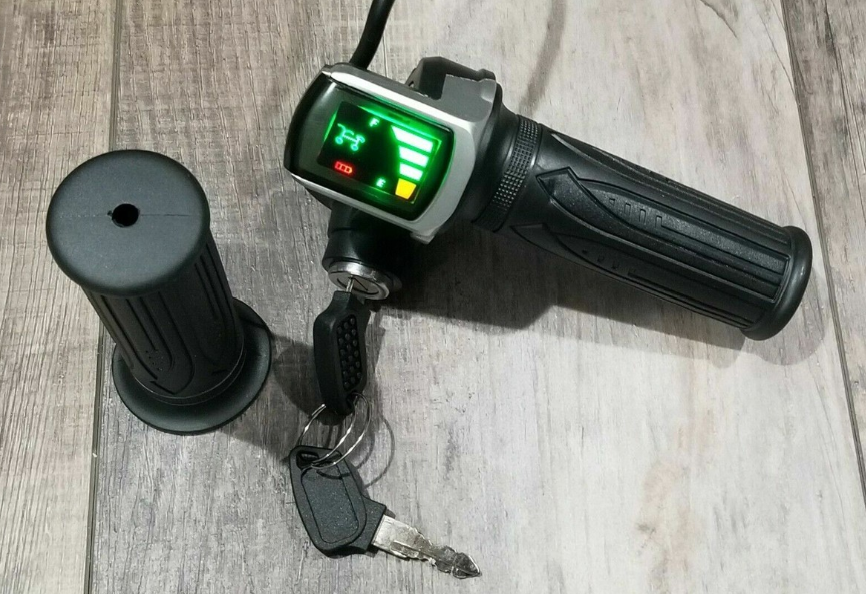
A throttle bike can still be legal if it has the correct approval as a motor vehicle. That is a different route. It may need registration, insurance, a number plate, and specific rider equipment. The Slovenian Traffic Safety Agency warning about electric bikes that are not pedelecs confirms this. Vehicles outside the 250 W pedal-assisted definition must meet the rules for their motor vehicle class.
Our shop advice is simple. Ask for the vehicle category in writing. A menu lock or a vague promise is not a conformity document.
On a standard 250 W pedelec, the bicycle helmet rule applies. Riders and passengers under 18 must wear a suitable bicycle helmet and fasten it correctly. For adults aged 18 and over, a helmet is strongly recommended but is not compulsory on a normal bicycle or pedelec. These rules are in Article 34 of the current Slovenian Road Traffic Rules Act.
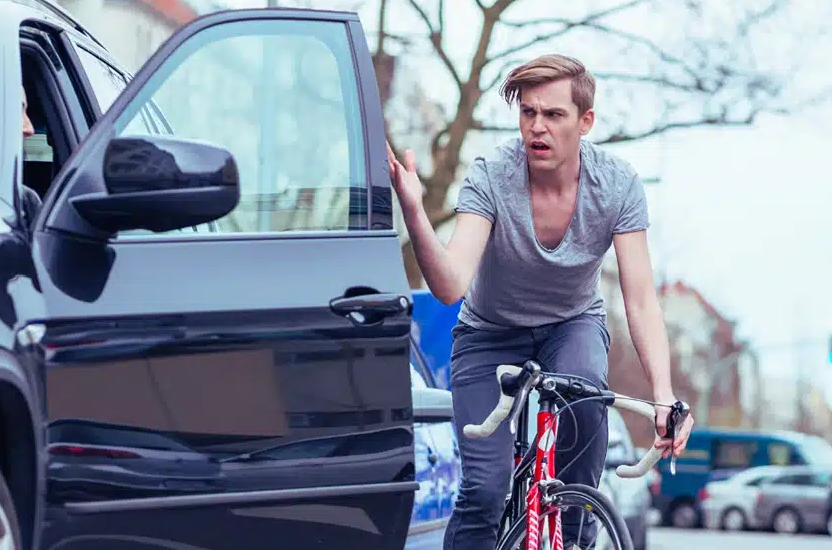
At Ecolymp, we would wear one even for a short office ride. Electric bikes are typically 5-15 kilograms heavier than regular bikes and can build speed quickly. Wet paint, gravel, and a car door do not care how experienced you are.
The helmet rule changes when the vehicle becomes a moped. A moped rider must use approved head protection. On a moped designed not to exceed 25 km/h, Slovenian law allows a correctly fastened bicycle helmet instead of a motorcycle helmet. Faster mopeds require an approved motorcycle helmet. The vehicle papers tell you which rule applies.
A standard pedelec is not treated as a motor vehicle under the Slovenian Motor Vehicles Act. You do not register it. It needs no number plate, compulsory motor insurance, or driving licence. You ride it under bicycle rules.
Once a bike falls outside that definition, do not jump to one answer for every model. A powered cycle up to 25 km/h and a speed pedelec up to 45 km/h are not the same thing.
An approved motor vehicle must have the right documents. The official Slovenian vehicle registration guide lists proof of ownership, conformity, insurance, and technical condition among the requirements.
For a speed pedelec that assists up to 45 km/h, expect moped rules. That means type approval, registration, a number plate, compulsory insurance, an approved motorcycle helmet, and the correct driving entitlement. The Slovenian driving licence guide places mopeds in category AM, with a minimum age of 15.
There is a special current rule for low-speed motor vehicles. Since 28 February 2026, the rider must be older than 15. This applies to a light motor vehicle or moped designed not to exceed 25 km/h. The change is set out in the official 2026 amendment to the Drivers Act. This does not turn a throttle bike into a bicycle. It only sets the rider age for a vehicle that has already been placed in the correct class.
A compliant pedelec follows bicycle rules. Slovenia also has extensive marked cycling routes for e-biking. Use a cycle lane or path where one is provided and usable. E-bike trails run from the Alps to the Adriatic Coast, though access rules can vary by vehicle class and location. Slow down near walkers, children, driveways, and crossings.
Do not assume the same access for a speed pedelec. It is a moped, so its road position and access rules follow its approved class.
When you cross into Austria, Italy, Croatia, or Hungary, the EU definition of a standard 250 W pedelec gives you a common base. National helmet rules, age rules, trail access, and local traffic rules can still differ. Check the rules for the country you are entering before a border ride.
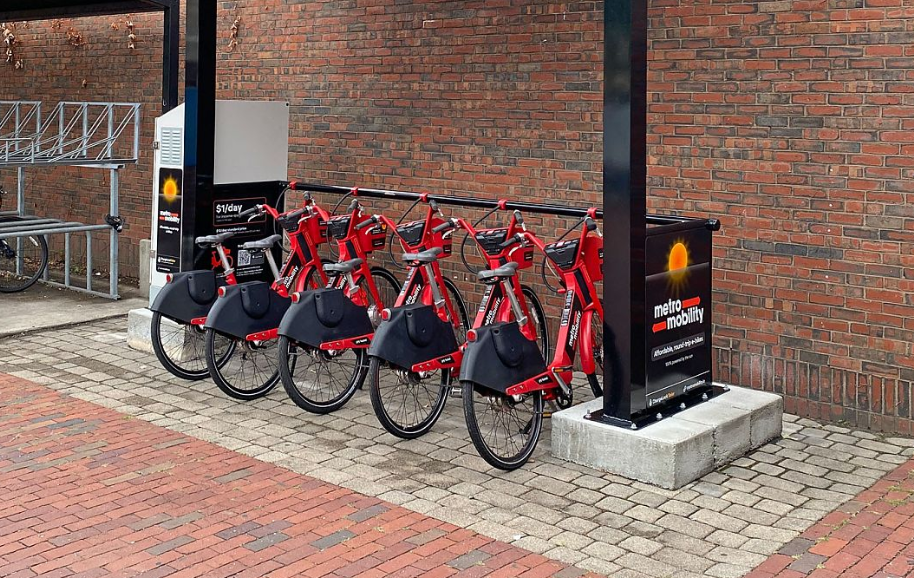
Start with the rating plate and declaration of conformity. Find the continuous rated power. Confirm that support ends before 25 km/h and stops when you stop pedalling. Read what every button does. Ask whether the bike is a pedelec or an approved motor vehicle. In tourist areas, e-bike rental is widely available, so renters should check the same legal details before riding. Electric trekking bikes are also commonly a good fit for Slovenia's cycling routes.
For a used bike, look for tuning parts, changed controllers, unusual display menus, and missing documents. A bargain is no bargain if it is not road legal.
If you are comparing models at Ecolymp, tell us where you plan to ride and whether you need a normal bicycle class, especially if you want help covering more kilometers on hilly terrain. Pedal assistance can also help less fit riders join cycling groups, provided the bike is in the correct legal class. We can help you read the specifications and identify the documents you should receive. You can browse our electric bike range or contact the Ecolymp team before ordering.
For the easiest legal life in Slovenia, choose a pedelec with a continuous rated motor power no higher than 250 W. Make sure the motor works only while you pedal and stops helping before 25 km/h. That bike needs no registration, number plate, compulsory motor insurance, or driving licence. Riders under 18 need a fastened bicycle helmet. Adults should wear one too.
Treat throttles, higher power, tuning, and assistance above 25 km/h as a change of vehicle class, not as a small extra feature. Ask for proper approval papers before the first ride on a public road.
This guide gives general information, not personal legal advice. Laws and official guidance can change. We checked the linked Slovenian and EU sources on 25 August 2026. If a vehicle has unclear papers, confirm its status with AVP or an authorised Slovenian registration organisation before using it in traffic.