-

English
-
Slovenian

English

Slovenian
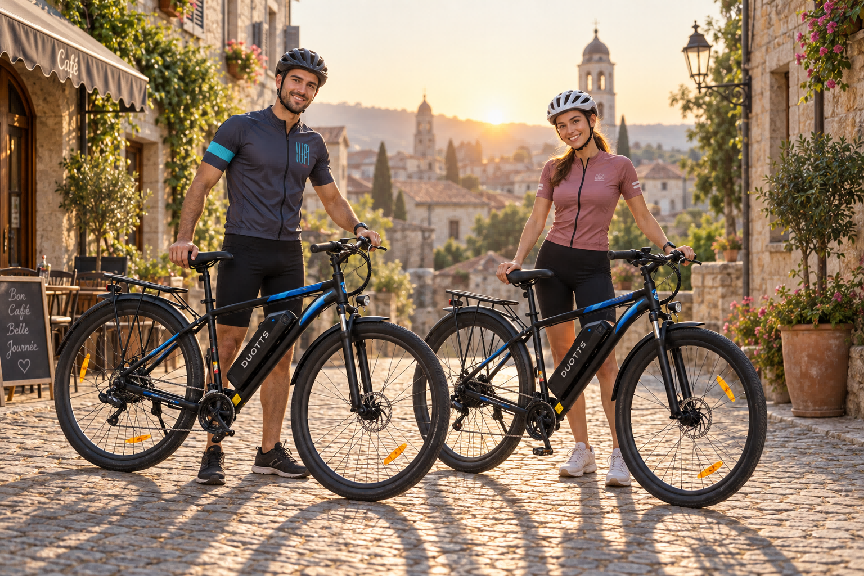
Why e-bikes from China like DUOTTS, ENGWE and KuKirin deliver EU-legal quality at lower prices — and what Slovenian riders should check before buying.
E-bikes from China now play a leading role in everyday mobility, and Slovenia is no exception. Their portability and speed make them a natural fit for commuting in Ljubljana, Maribor or along the coast, and against the backdrop of consumption downgrade, competitive price, easy parking and high portability make them the most practical choice for daily transport. But most of the compelling value in this market right now comes from one place: China. This article explains why e-bikes from China are not a compromise — and what to check before you buy.
Most riders want the same thing: robust, well-built products at a sensible price. For anyone weighing e-bikes from China against European-built alternatives, that search leads to Guangdong — not because of marketing, but because of manufacturing structure. Guangdong province alone hosts a mature, complete supply chain for frames, motors, batteries, controllers and displays, which is what makes both the diversity of products and on-time delivery possible. When a brand like DUOTTS specifies a 29-inch commuter or a folding fat bike, the components are sourced kilometres away, not continents away.
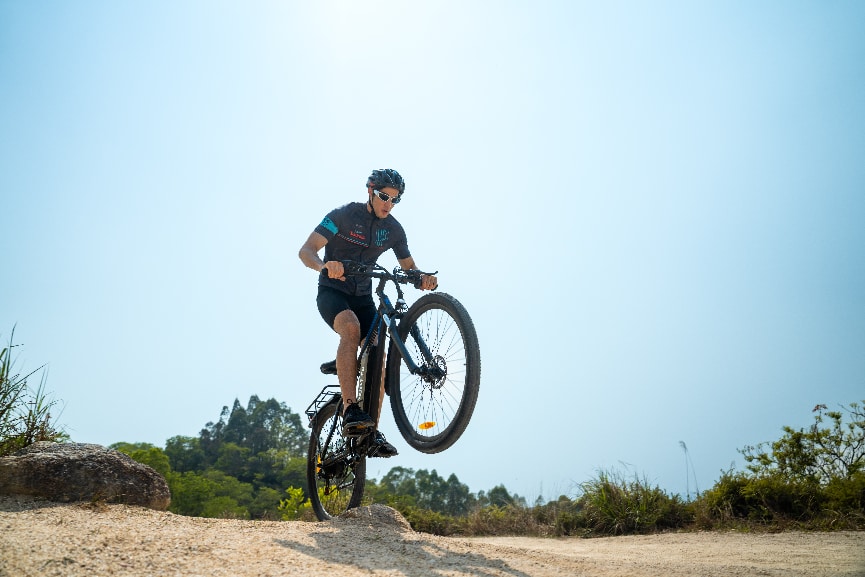
The second pillar is engineering. Over recent decades China has trained millions of engineers and skilled production workers, and that depth shows up directly in the products: battery management systems, torque sensors, hydraulic brake integration and waterproofing are now standard at price points where they used to be premium options. This is the real “engineer dividend” — quality that is designed and quality-controlled into the product, not added afterwards. If you want the concrete proof, look at the certifications: the bikes we review on this site carry CE EN15194, verified by TÜV.
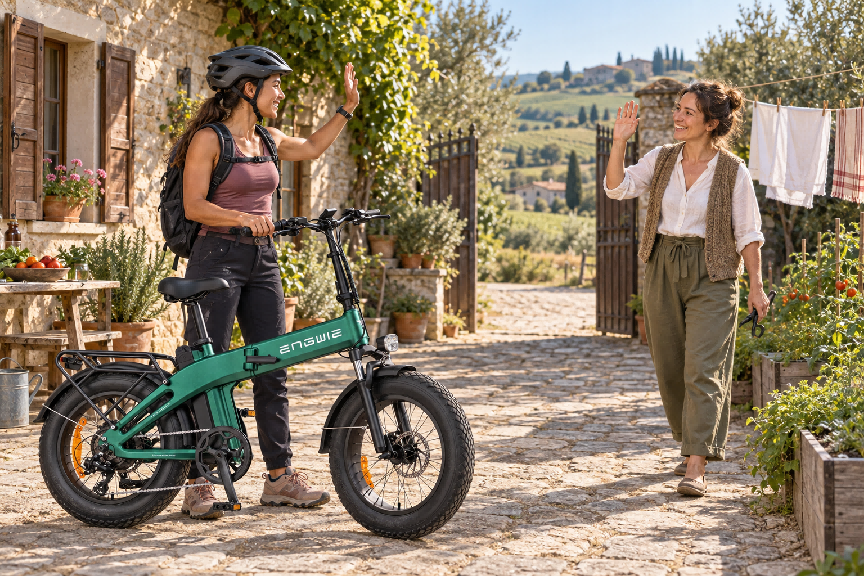
Technology needs a market to prove itself, and the larger the market the faster the filter works. China’s domestic e-bike market is the largest in the world by a wide margin: products run every day, in every city, in every kind of weather and road condition. Designs that fail get replaced quickly; designs that survive that volume of use arrive in Europe already hardened. The European versions differ mainly in the parts the law requires — 250 W motors, 25 km/h assistance limits and lighting — which is exactly what our review of Slovenian e-bike rules covers.
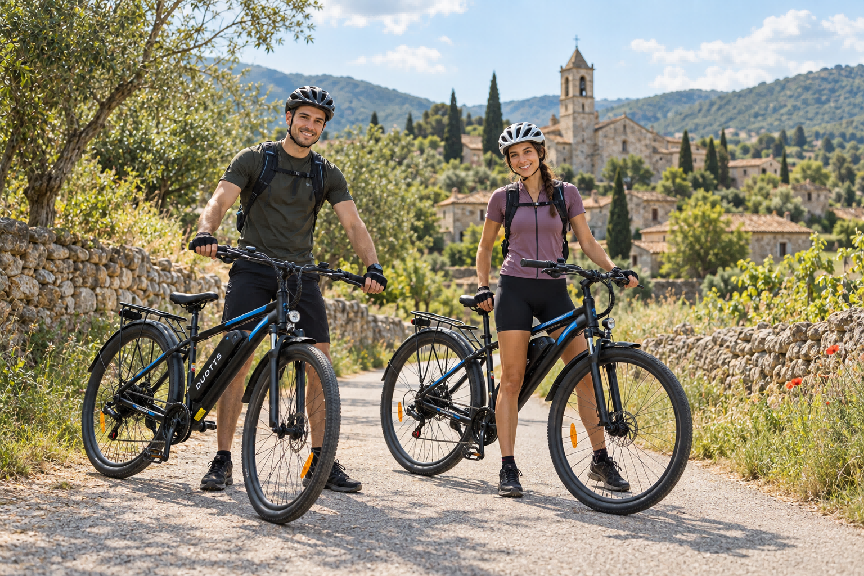
None of this means every Chinese e-bike is a good buy. What it means is that buying e-bikes from China is no gamble — the good ones are now very good — provided you check four things: EU certification (250 W, 25 km/h, CE EN15194), EU-based warehousing and warranty support, honest range figures, and published water-resistance ratings. We apply exactly that checklist in our article on whether Chinese e-bikes are worth it in Slovenia.
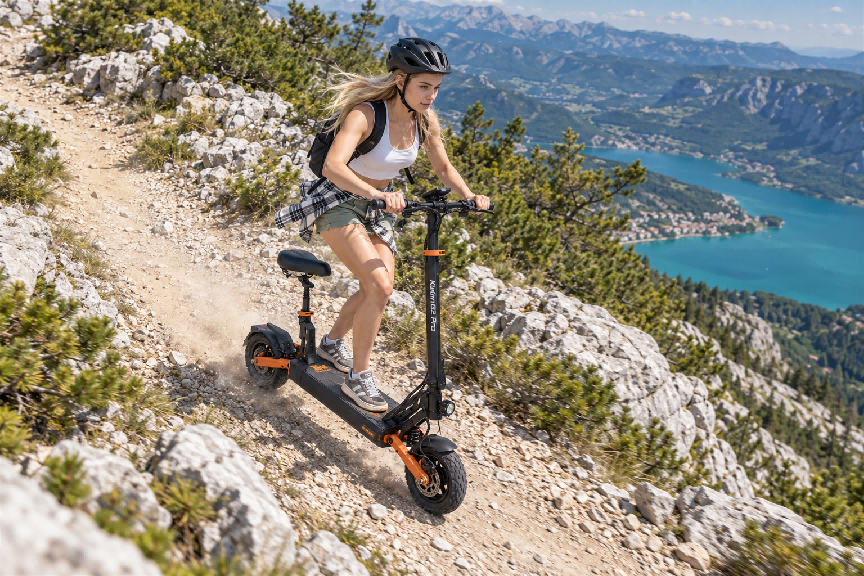
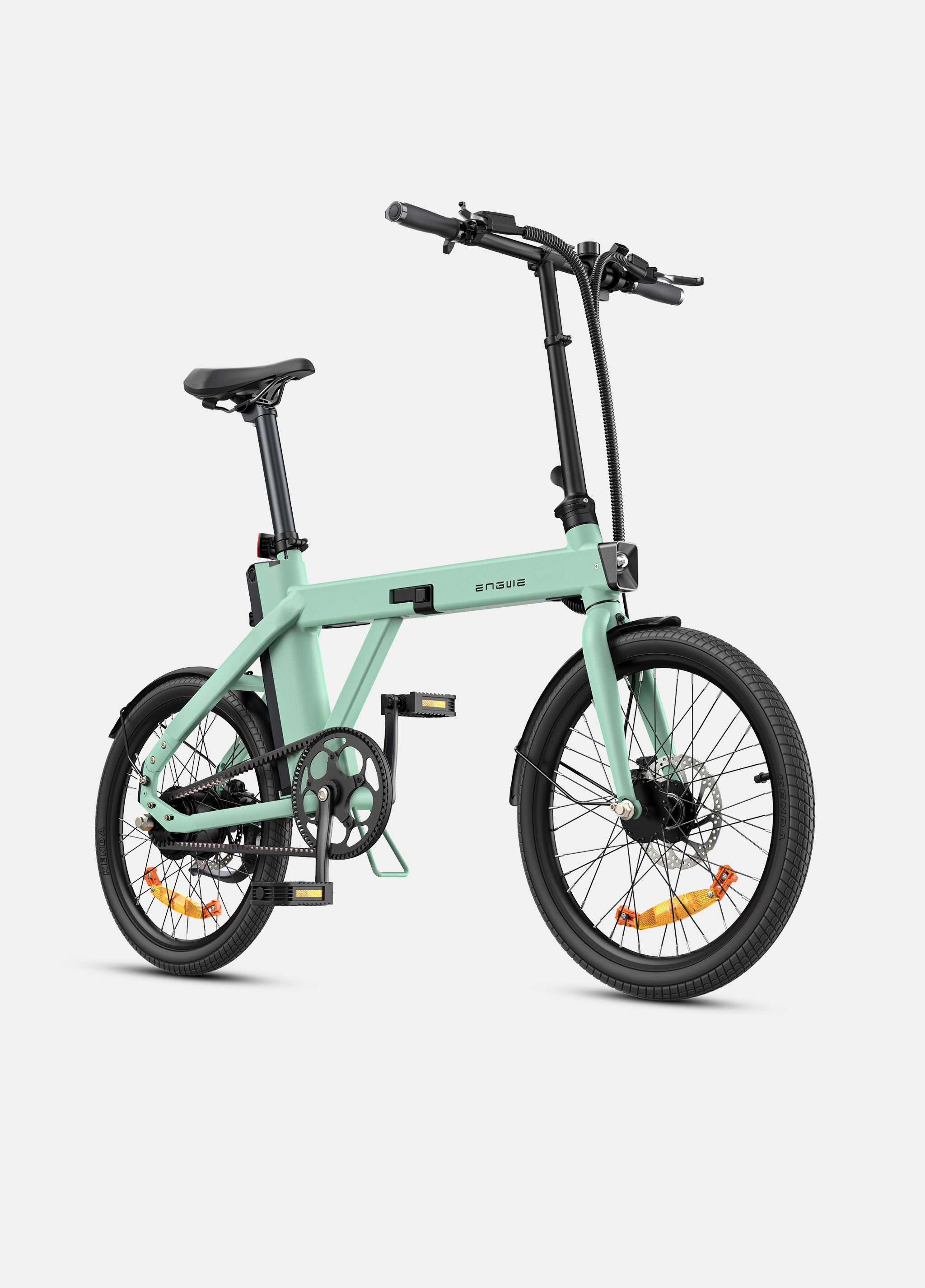
We have put that checklist to work on three products that we think represent the current state of Chinese micromobility, each reviewed in full for Slovenian riders:
Read those reviews before you spend anything. The brands are trustworthy; the specific model and the specific version you order are what decide whether it will make you happy.